Europe: Decline, Transformation or Renewal?
“We don’t need more Think-Tanks but more Do-Tanks” (Prof. Rudy Aernoudt)
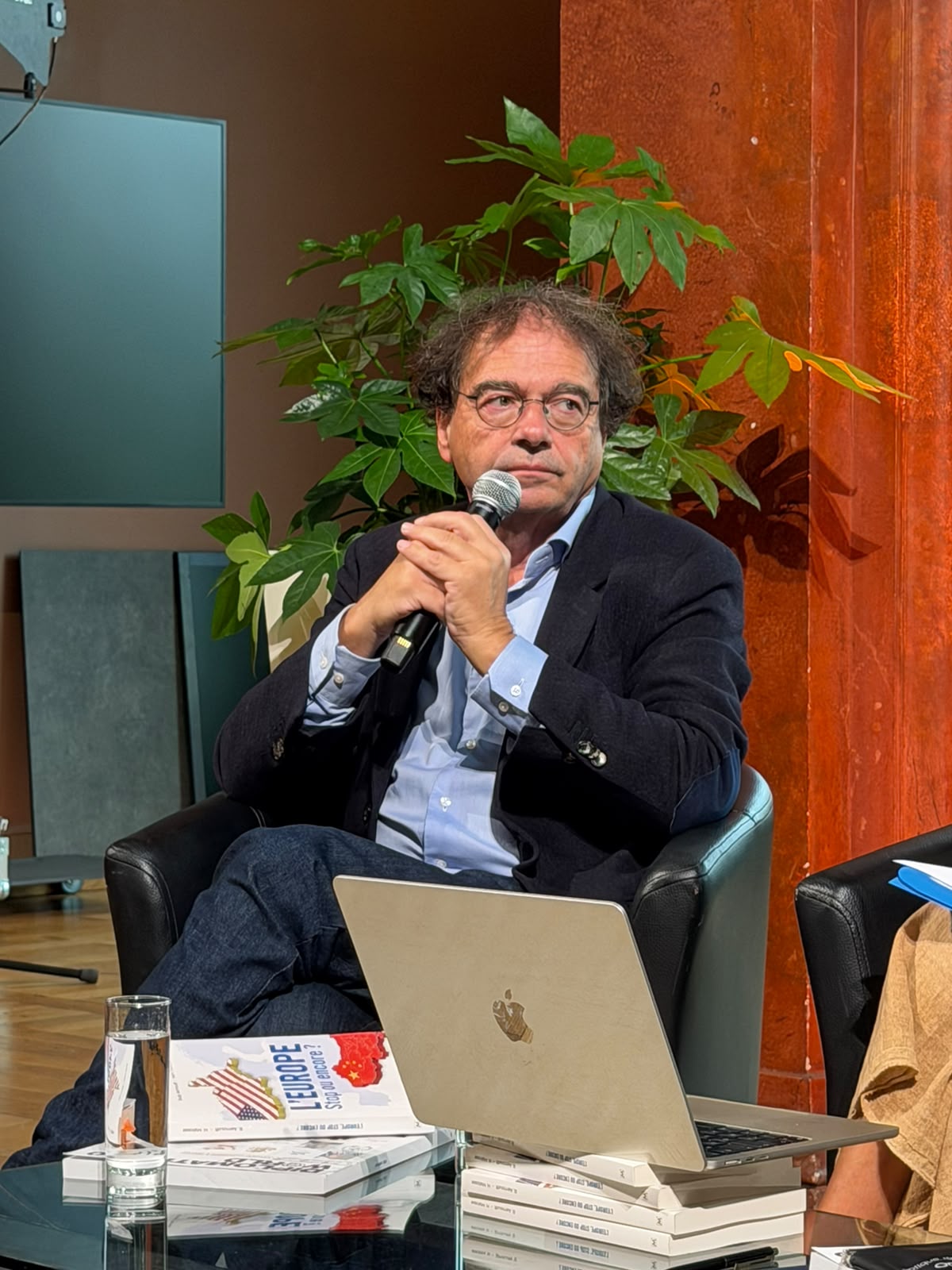
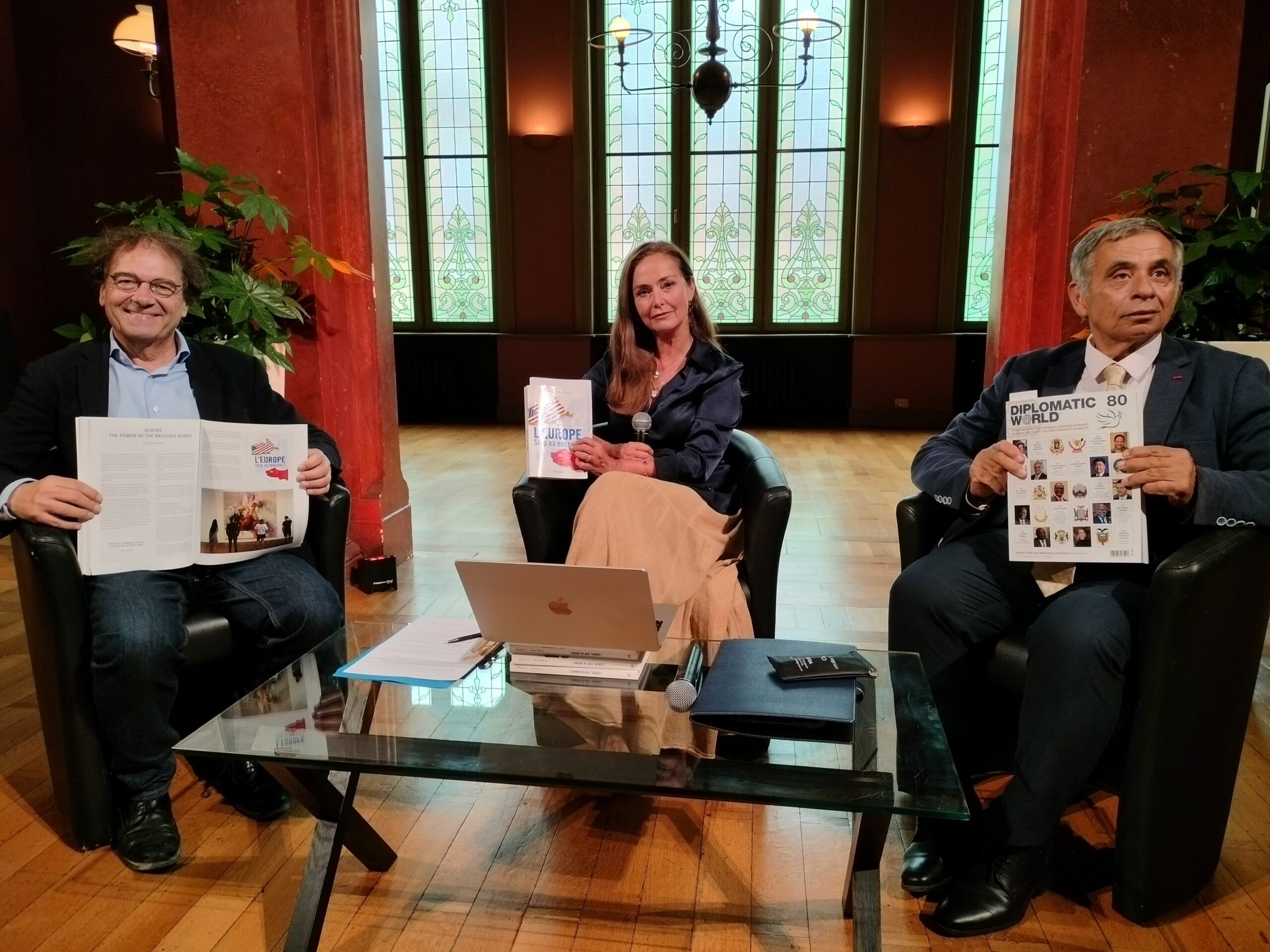
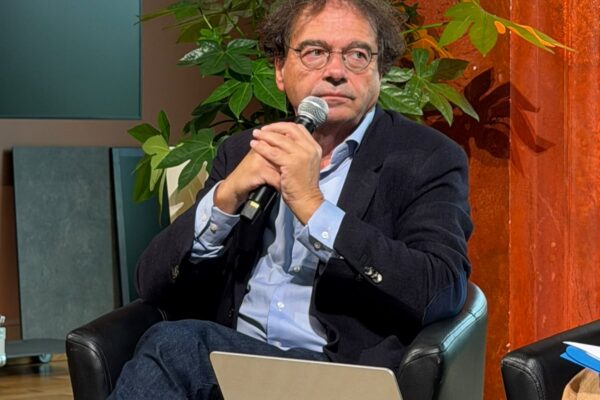
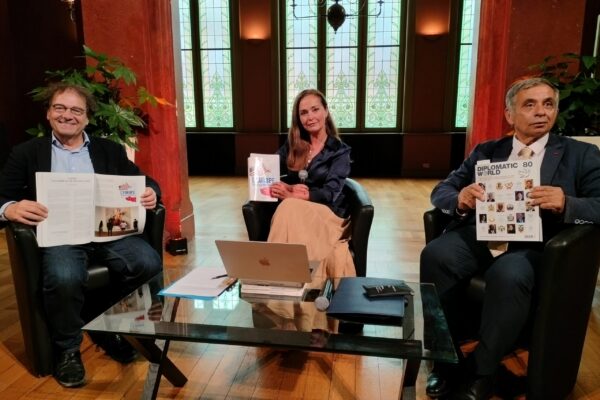
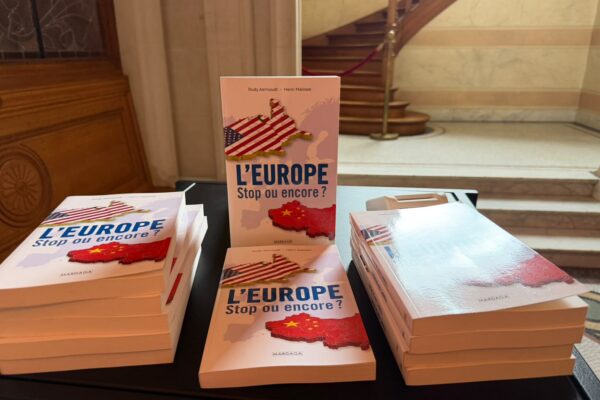
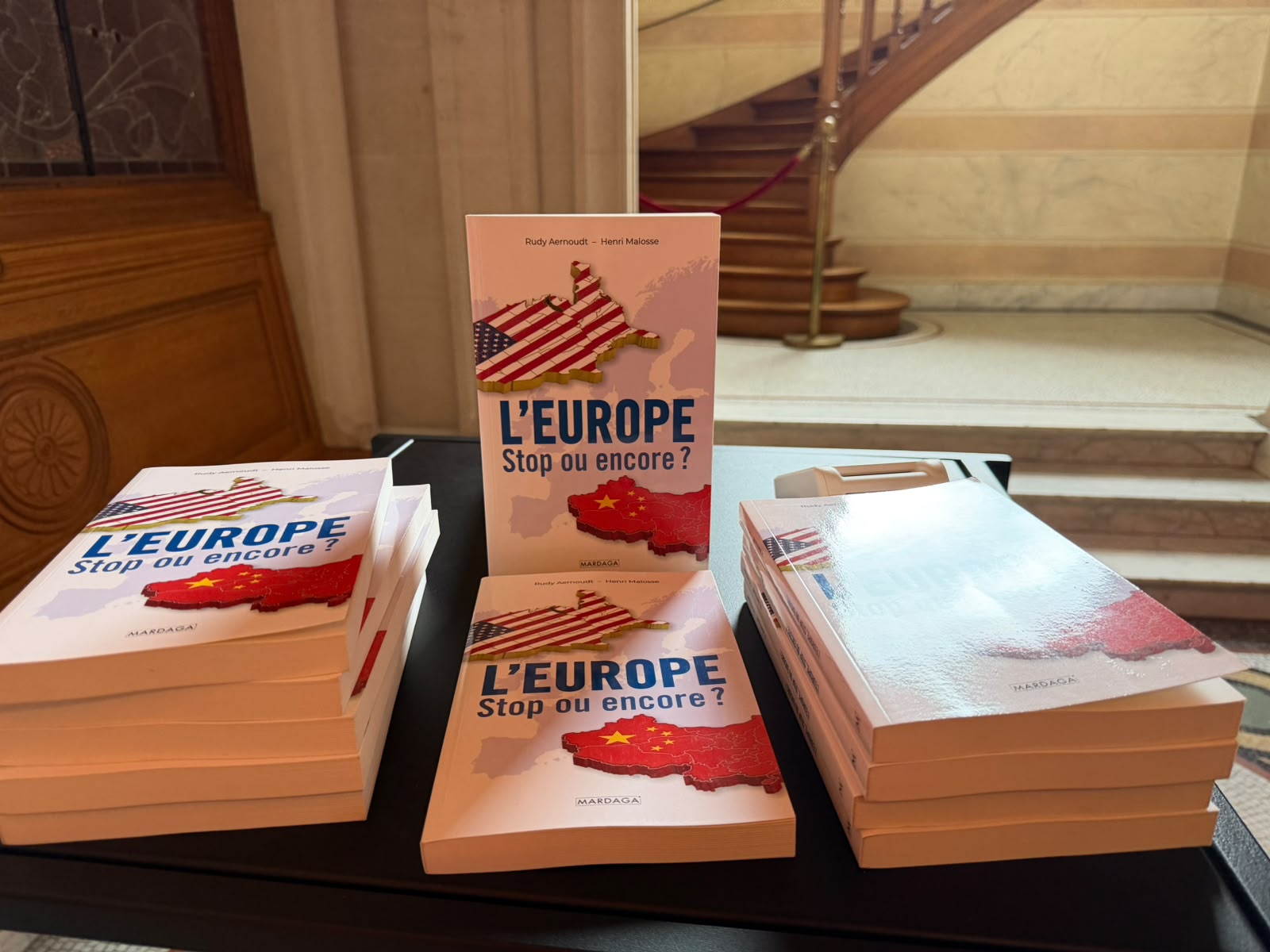
On 30 September 2026 at Brussels’ historic Solvay Library, authors Prof. Rudy Aernoudt and Henri Malosse presented their book “L’Europe, Stop ou encore?” in a discussion moderated by Marlène de Wouters. The central question was clear: is Europe in decline, or is it ready for renewal?
- Prof. Rudy Aernoudt is a renowned Belgian economist, professor and author. He served for many years as a senior economist and policy adviser at the European Commission, focusing on economics, entrepreneurship and European policy.
- Henri Malosse, French European affairs expert and former President of the European Economic and Social Committee (2013–2015), with decades of experience in European policy, business and SME development.
The debate examined Europe’s growing impact on the economy, energy, agriculture, environment and security, while highlighting frustrations with bureaucracy, over-regulation and slow decision-making. Speakers asked whether Europe has too much integration or not enough, and whether the European Union has become better at producing rules than at defining a long-term strategic vision. Europe’s shifting place in the global economy, its relations with China and the United States, and the lessons of past policy choices were all part of the conversation.

The overarching message was straightforward: Europe’s challenge is not inevitable decline, but the need for a renewed common vision for the next 10 to 20 years.
The question left with the audience was simple yet fundamental: What does Europe still want to achieve together, and is it ready to build that future?
A strong consensus emerged that Europe does not necessarily need more initiatives or new reports. What it needs is better implementation of decisions already taken, simplification, competitive energy prices, and fewer unnecessary regulatory burdens. Completing the Single Market and helping European start-ups scale across the continent were presented as practical ways to unlock growth and innovation.
On democracy and sovereignty, the speakers argued for a clearer division of responsibilities. Some areas, especially defence and space, could be organised more effectively at European level, provided this strengthens genuine European capability rather than dependence on external powers. At the same time, Europe should not seek to impose its values on the rest of the world. Dialogue, mutual respect and reconciliation remain essential tools for managing international tensions.

The speakers criticizes EU bureaucracy and the budget debate: only beneficiary countries want a bigger EU budget, while net contributors demand sharp cuts. He refers to his earlier book on the “twilight of the bureaucrats” who built the European project around money rather than ideals, and argues the system (27 national administrations + the EU) is becoming increasingly insignificant and poorly supervised.
To re-legitimize the EU and its weakly supported Parliament elections, the speakers proposes the direct election of an EU president. Candidates would have to present a real program, which could remobilize citizens and give the project a new positive momentum.


Article – DW Magazine Nr.80