ACADEMIC SESSION WITH THE PRESENTATION OF
THE BENELUX-EUROPE-AWARD 2026
To Minister Annelies Verlinden And To The BeNeLux Parliament.

Theme 2026
“Benelux Needed More Than Ever”
Cluster of the B.U.C. Chair ‘BENELUX’
Author: Jean Aznar – Secretary General DW Institute
INTRODUCTION
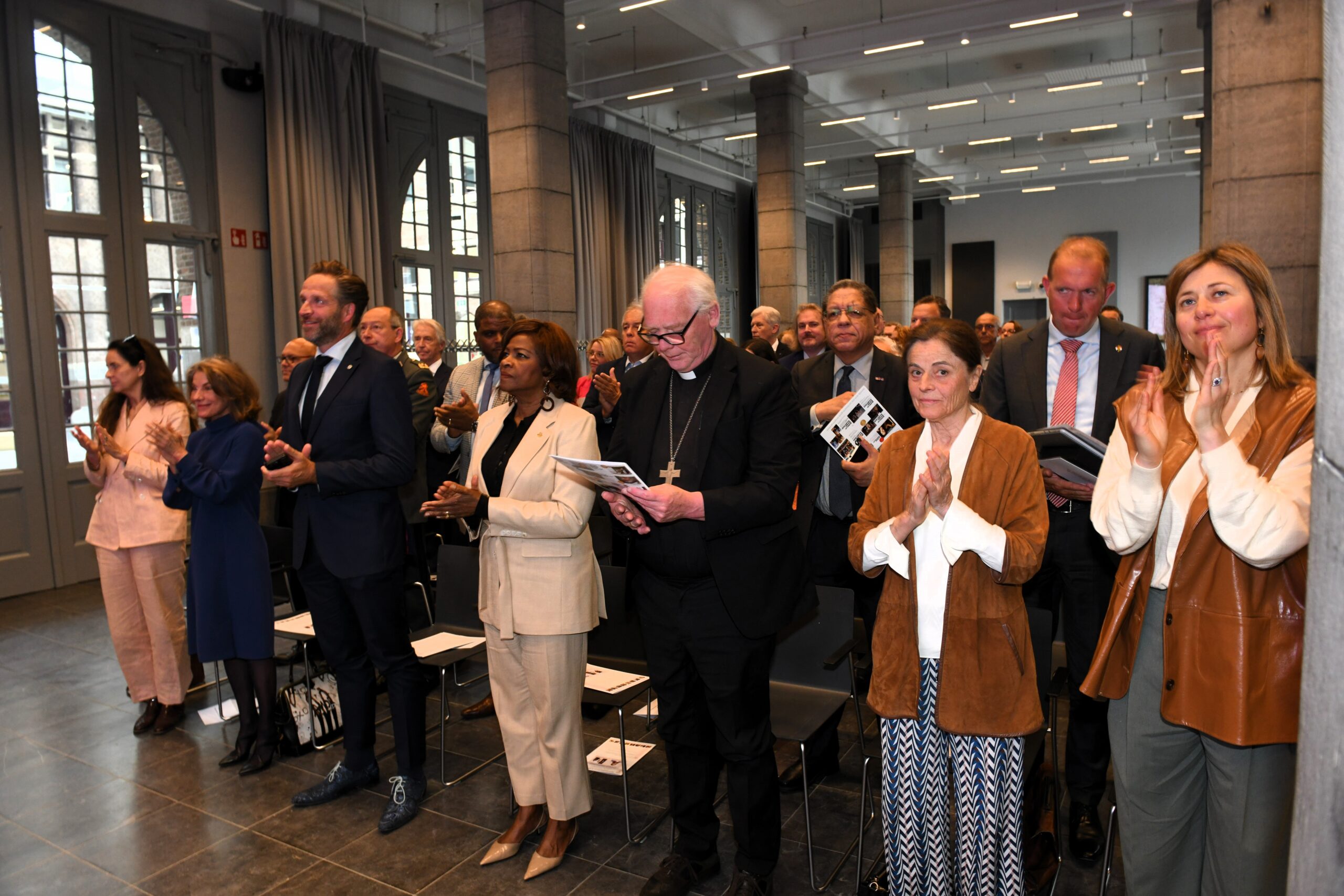
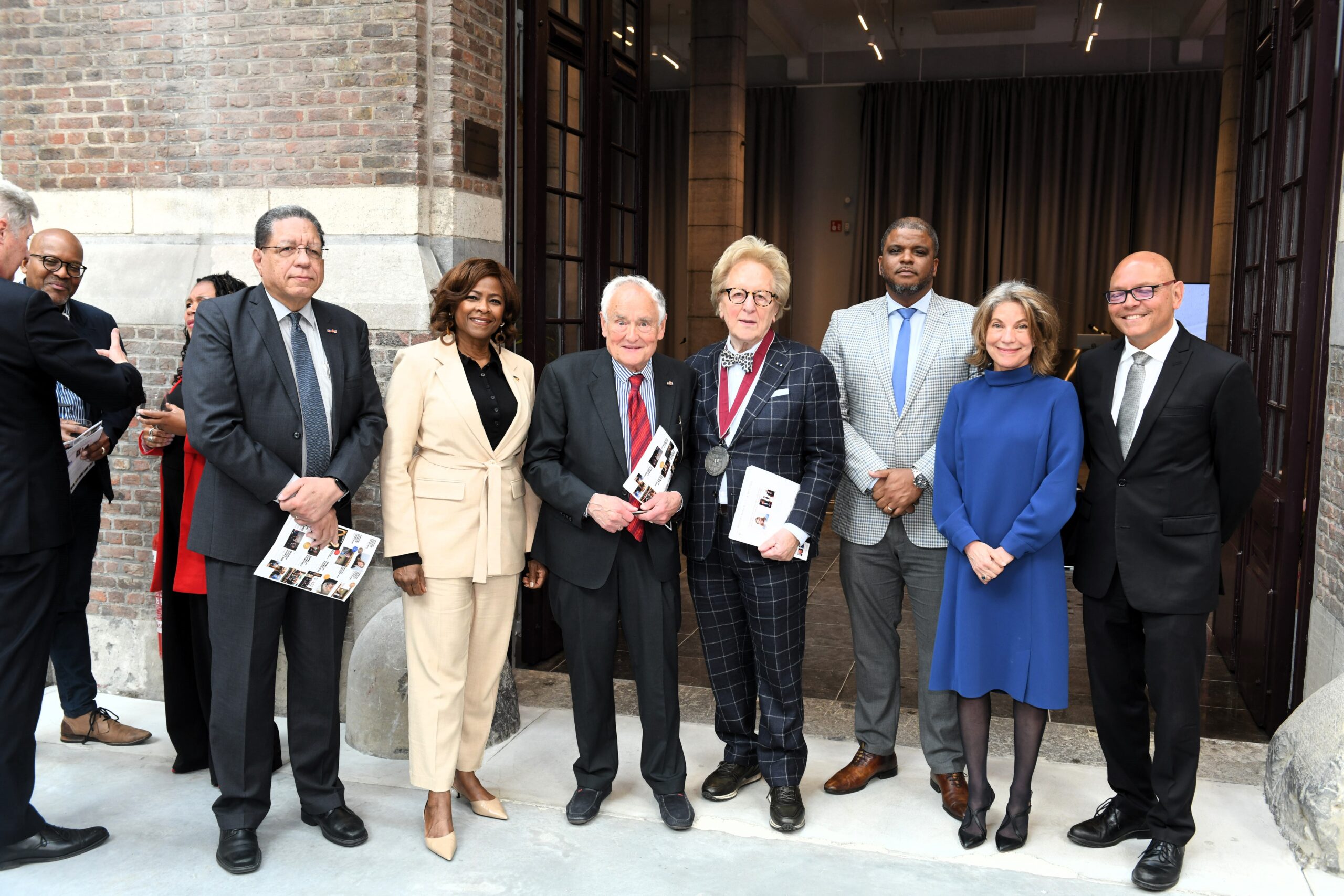
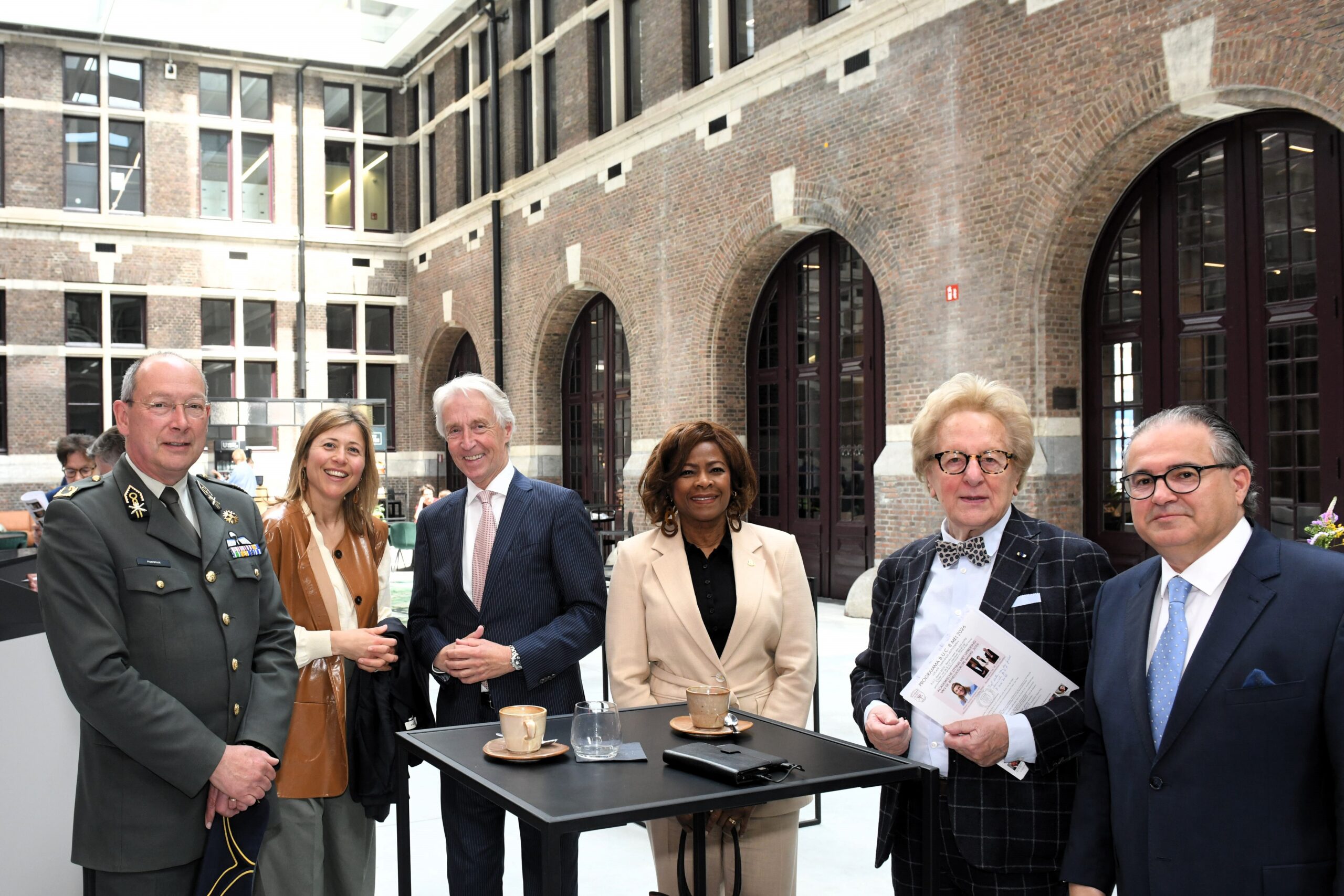
Diplomatic World Institute had the honor of attending this special academic gathering of the BeNeLux University Centre (B.U.C.), with the presentation of the BeNeLux-Europe-Award on 8 May 2026 in Antwerp. The Institute endorses the exceptional work of the B.U.C. Foundation, which has been bringing together academic excellence, diplomatic and cultural dialogue, and Benelux cooperation for over 30 years. Through its international diplomatic channels, the Diplomatic World Institute aims to actively contribute to reporting on initiatives for a stronger European and global profile of the Benelux, as an inspiring model of sustainable and successful regional cooperation..
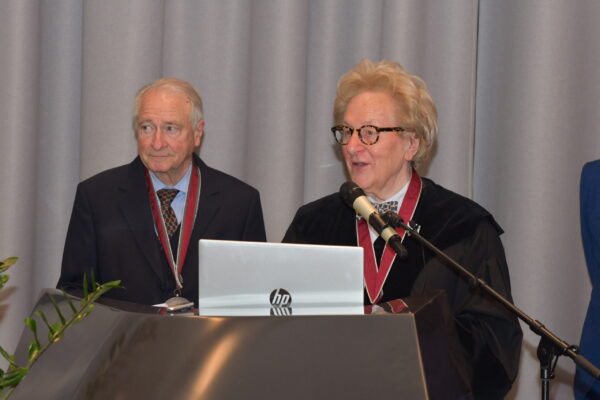
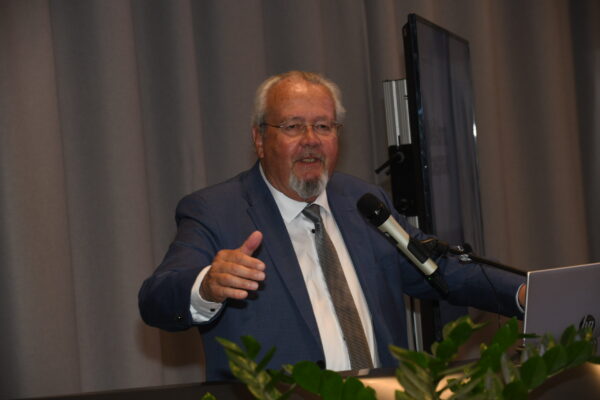
OPENING BY PROF. ANTON VAN DER GELD, CHAIRMAN OF THE B.U.C.

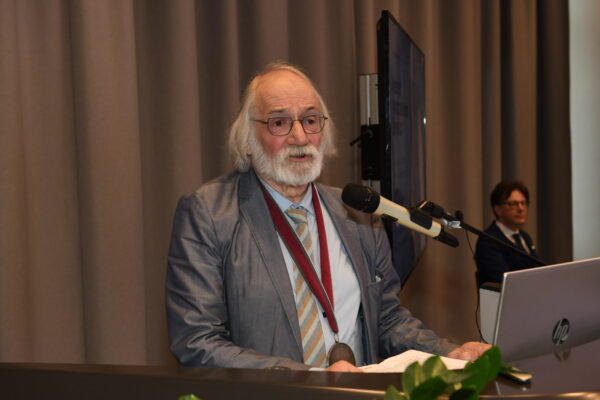
Prof. Anton van der Geld
On May 8, B.U.C. Chairman Prof. Anton van der Geld opened the academic session at the Port House in Antwerp with a warm welcome to diplomats, politicians, civil society organizations, and colleagues. The B.U.C. theme for 2026 is: “The Benelux, needed more than ever”. This theme aligns closely with the B.U.C. BENELUX Chair, established by the Benelux Parliament in The Hague in 1994. Through this chair, the B.U.C. has been exploring various aspects of a sustainable and human-centered society for over 30 years, as expressed in our society and culture of living. Particularly in the three Benelux countries and more generally in Europe.
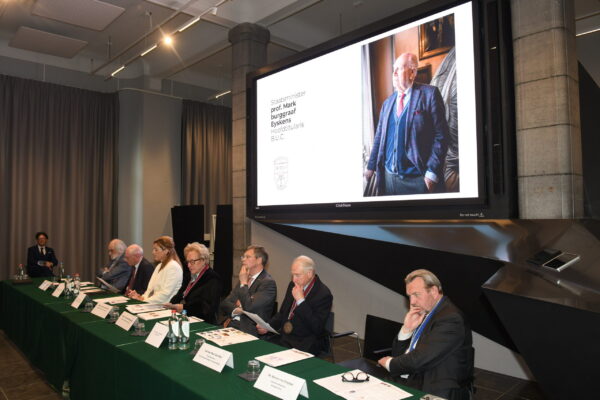
Prof. Van der Geld regretted the absence of the eminent principal speaker, State Minister Prof. Mark burggraaf Eyskens, due to very recent mobility problems. State Minister Mark Eyskens has worked very intensively with him to prepare and help shape the academic session over the past period. As always, he has carefully prepared his presentation and committed it to paper. Furthermore, there was the cancellation of State Minister Herman De Croo, who received the BeNeLux-Europe-Award in 2005 together with Prof. Pieter van Vollenhoven, a member of the Dutch Royal Family.
PORT HOUSE OF ANTWERP
The Board of Directors of the Port House, specifically Chairman Johan Klaps, Alderman of the City of Antwerp, and Vice-Chairman Dirk Defauw, Mayor of Bruges, offered hospitality to the BeNeLux University Centre for holding the meeting on May 8 at the Port House. This hospitality was concretized by Port Ambassador Marc Van Peel.
The iconic Antwerp Port House, the impressive architectural creation by Iraqi-British architect Zaha Hadid, served as the backdrop for a special B.U.C. meeting that highlighted the strength of Benelux cooperation in an inspiring manner.

Port House of Antwerp
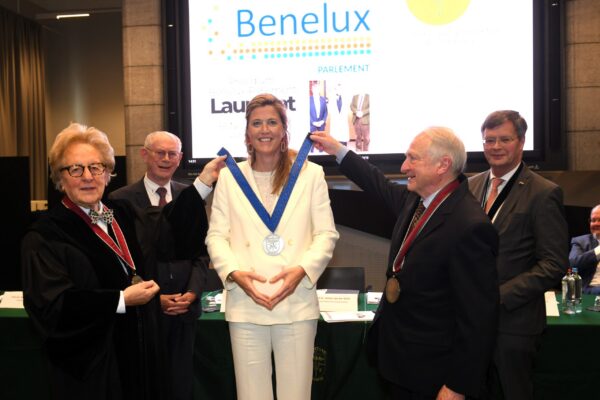
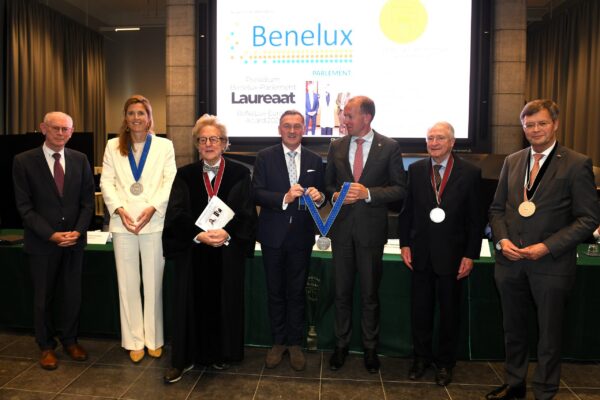
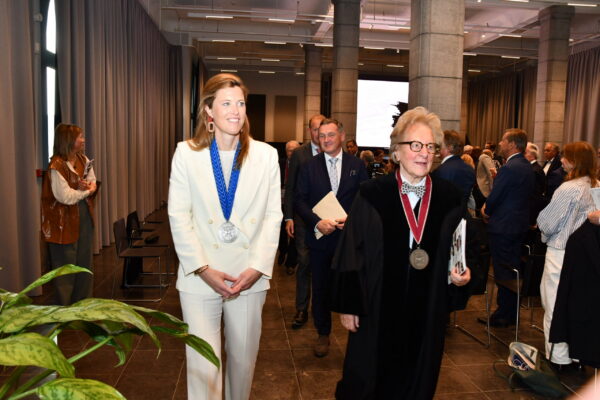
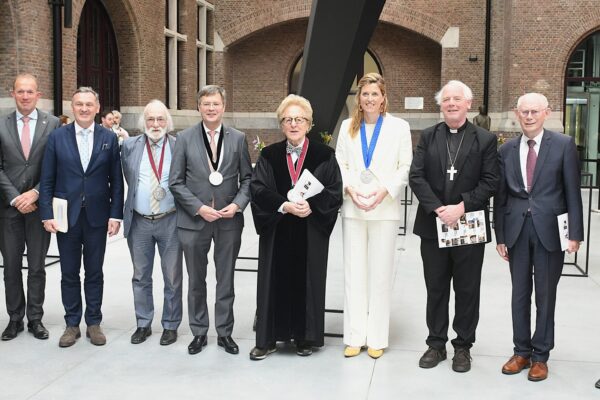
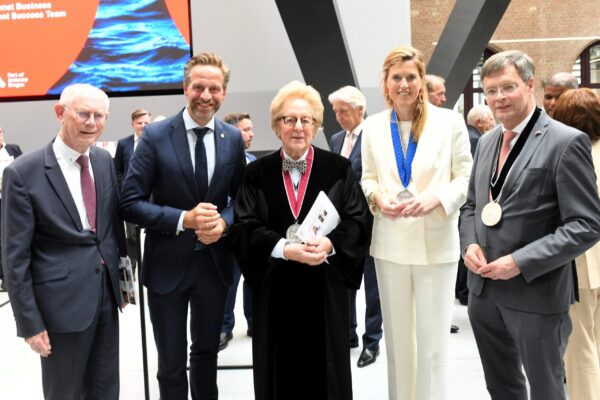
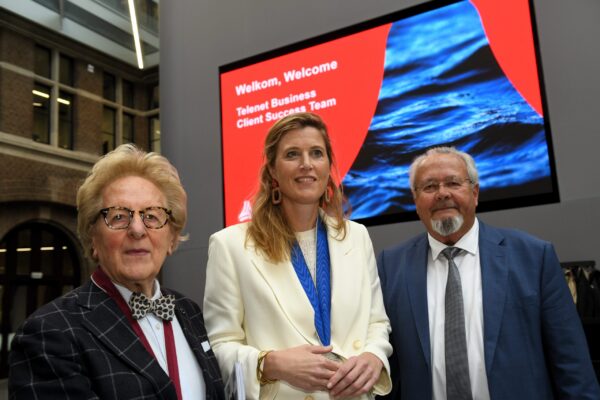
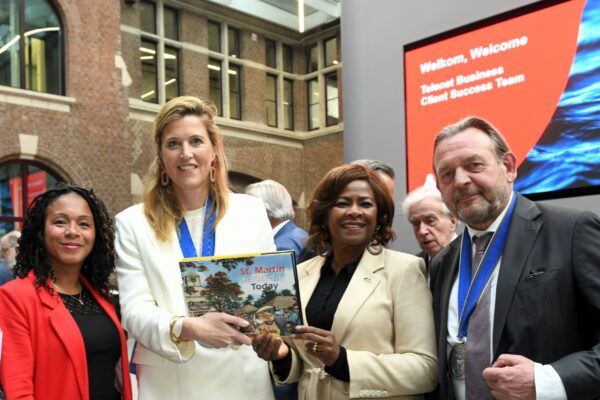
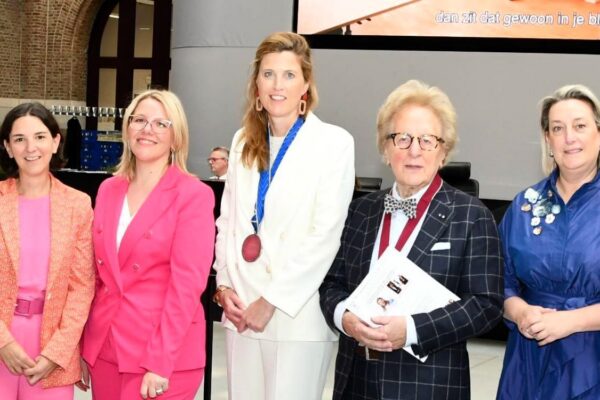
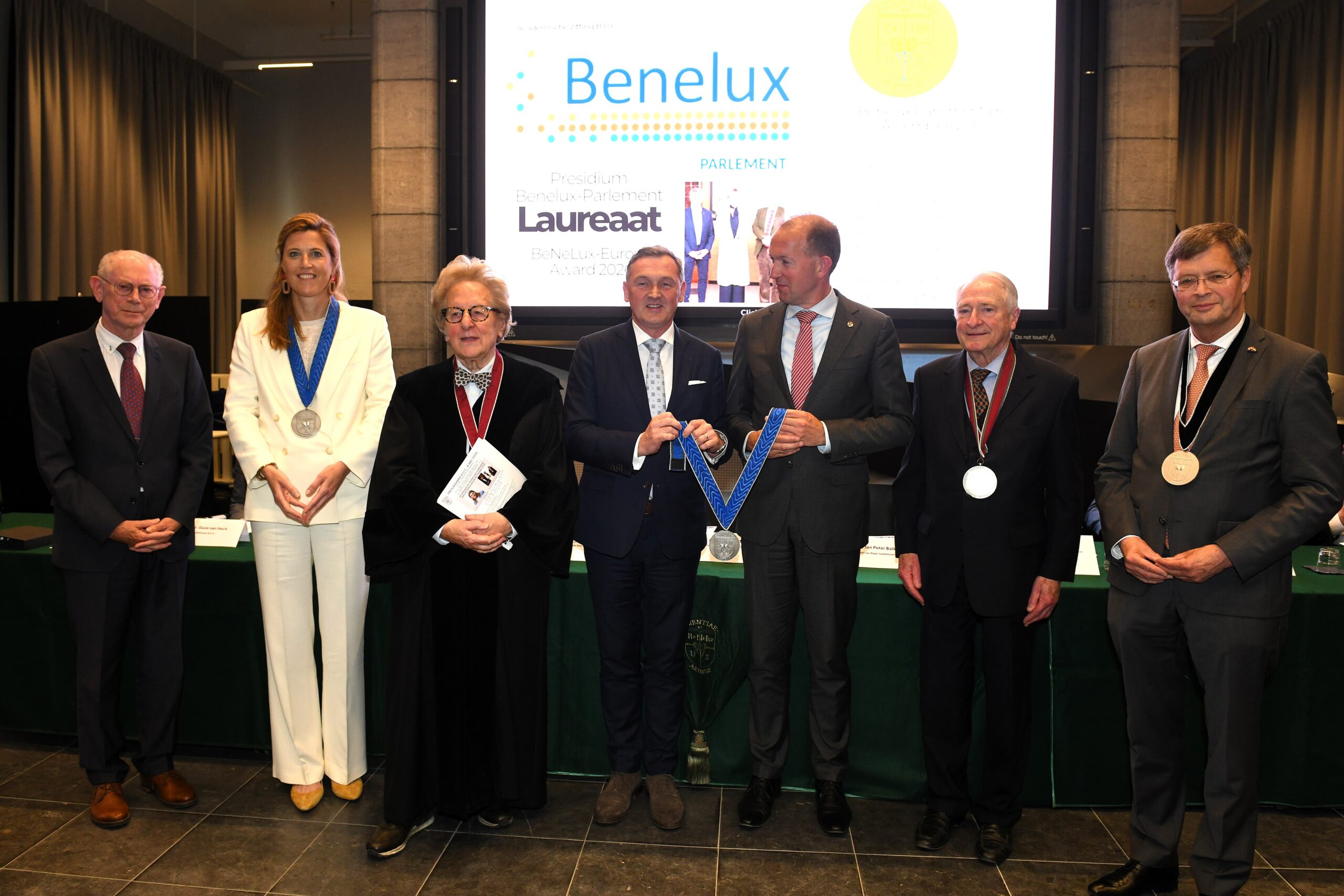
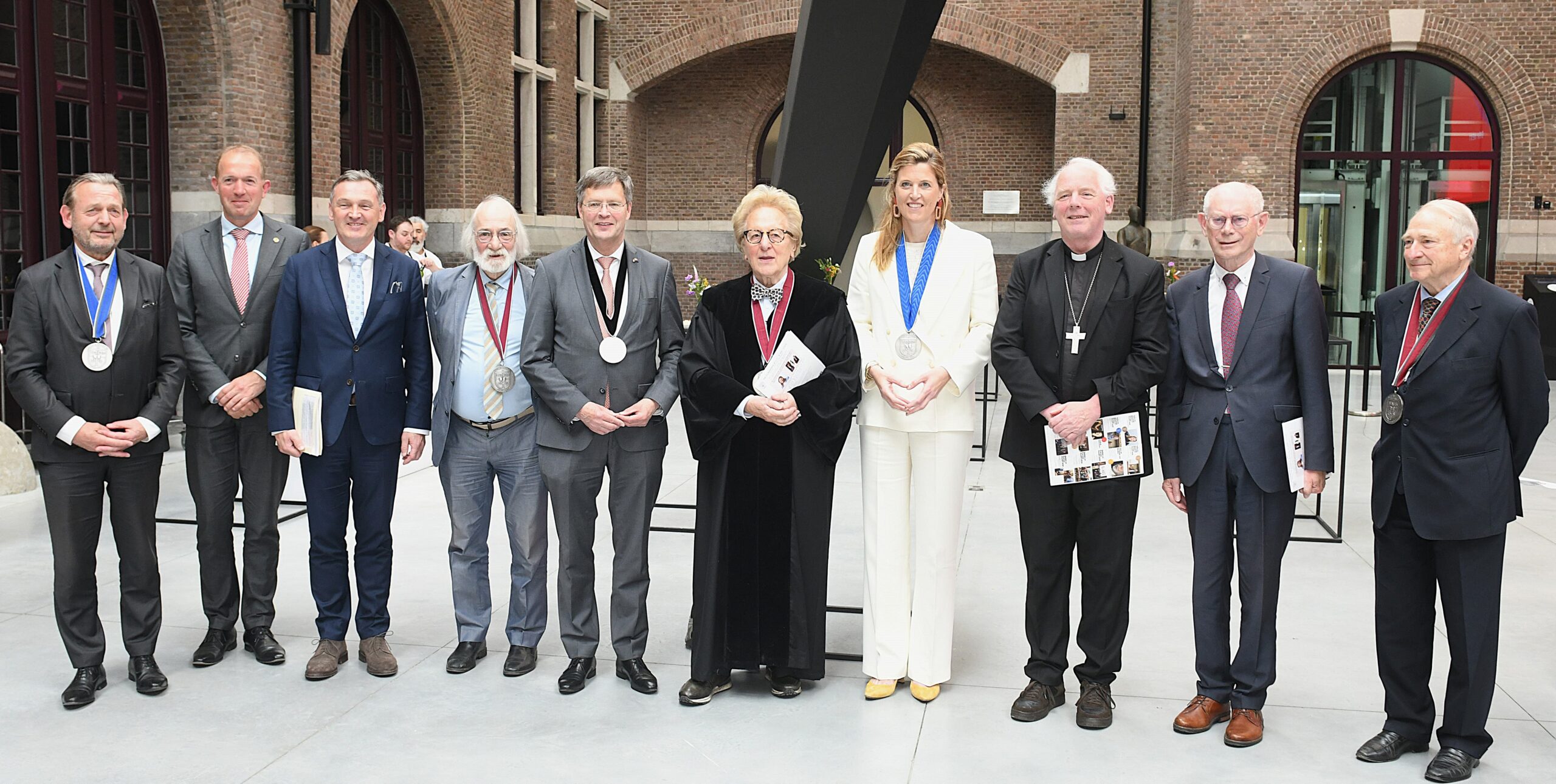
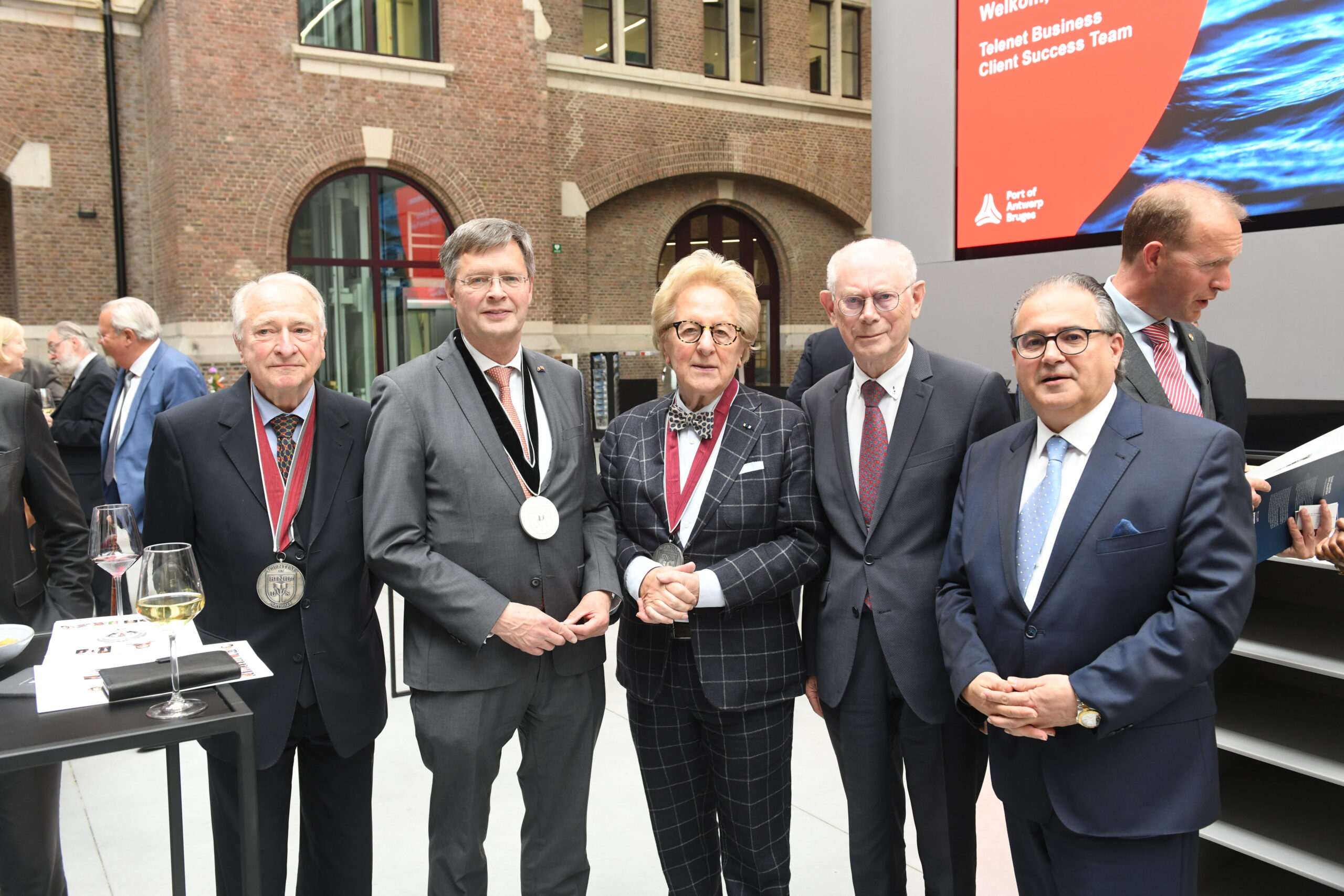
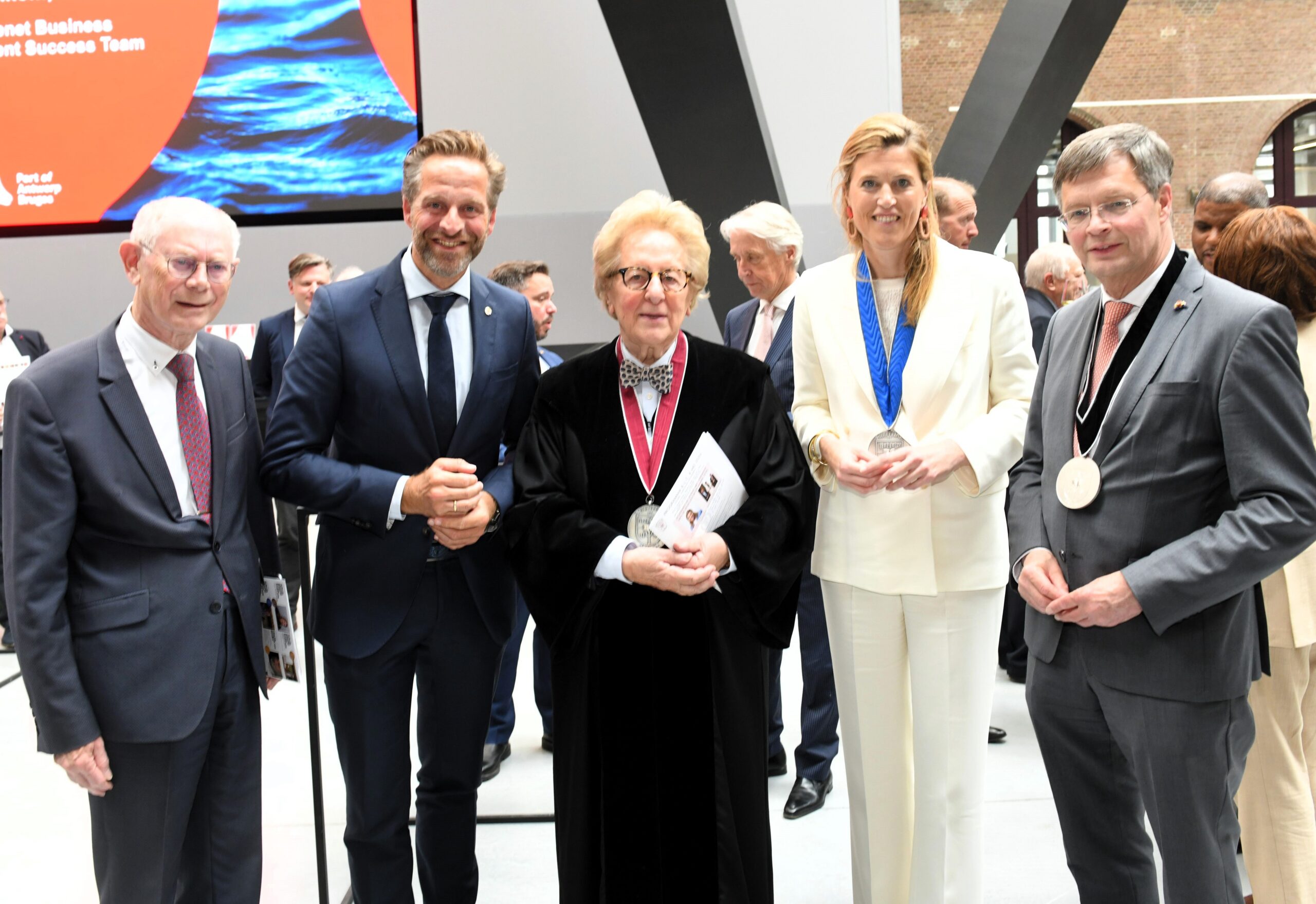
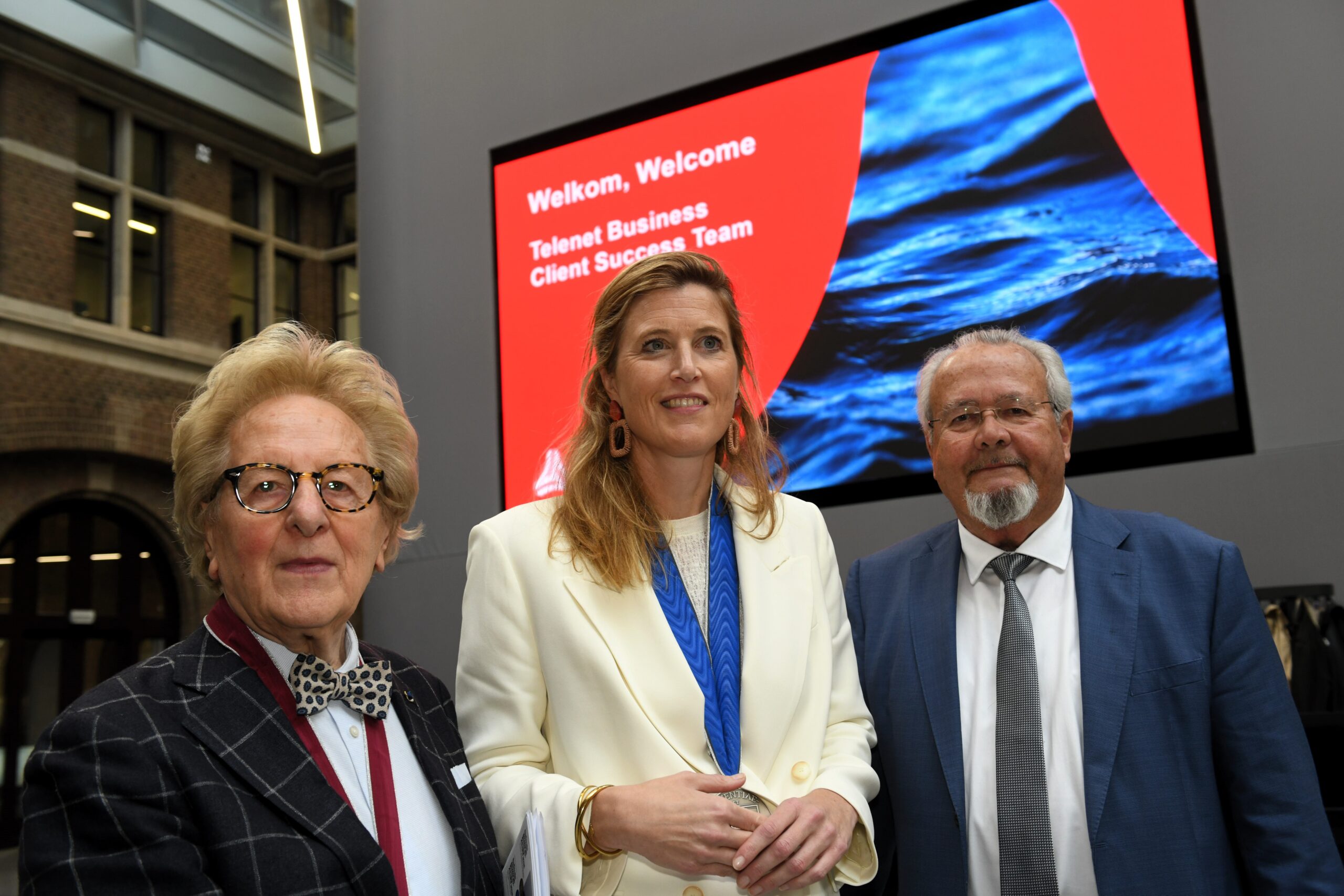
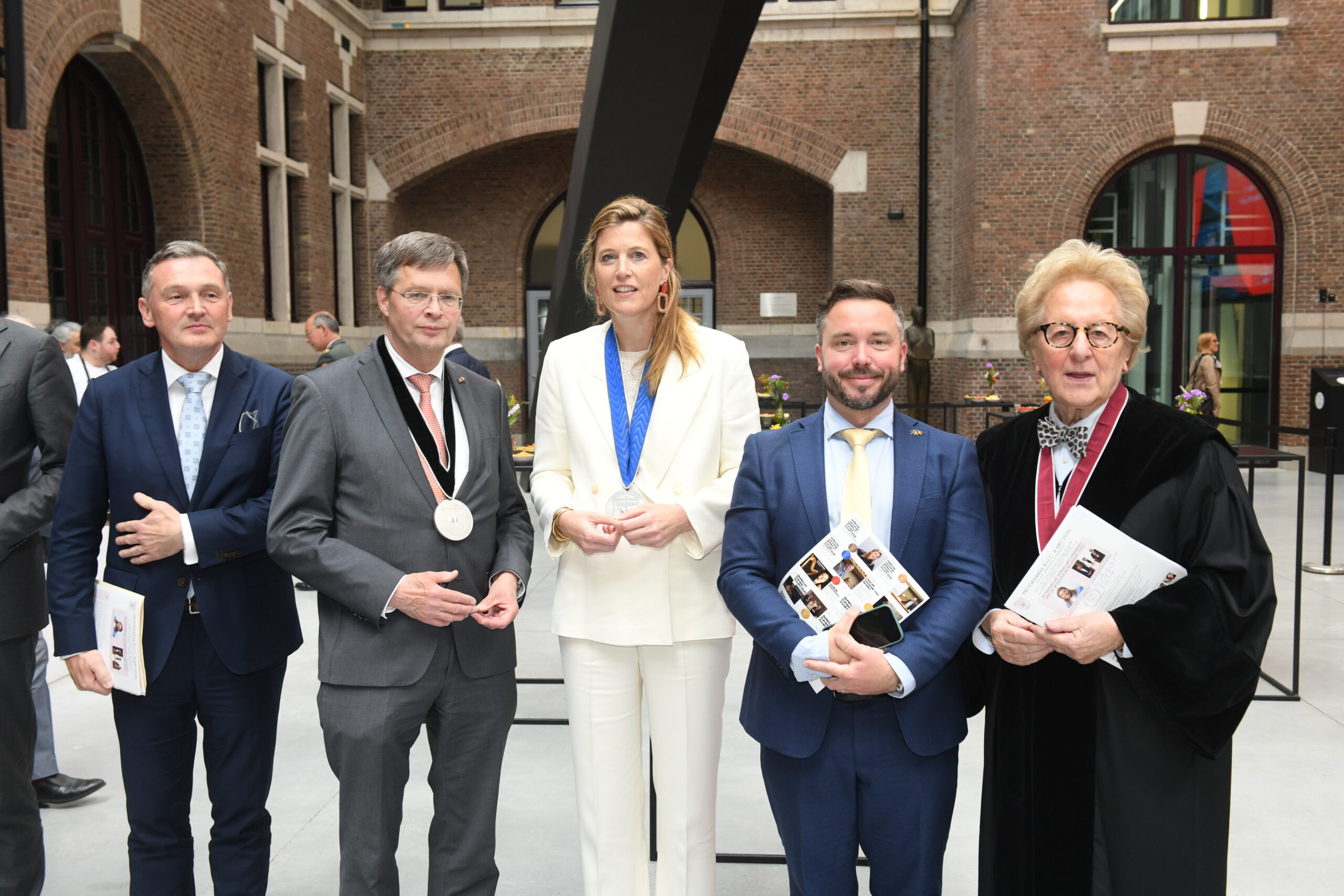
During this solemn gathering, the BeNeLux University Centre Foundation, under the inspiring leadership of Prof. Anton van der Geld, presented the prestigious “B.U.C. BeNeLux-Europe-Award 2026” to the Belgian Minister of Justice and the North Sea, Annelies Verlinden, and to the Benelux Parliament.
Under the powerful theme “Benelux Needed More Than Ever,” it became clear how the Benelux, as a small but influential cooperation body, can play an essential role within Europe and far beyond today. In a world facing geopolitical tensions, societal challenges, and complex international relations, this event emphasized the importance of close regional cooperation as a foundation for peace, stability, and shared prosperity.
WELCOME SPEECH BY PORT AMBASSADOR MARC VAN PEEL

Port Ambasador Marc Van Peel
Port Ambassador Mark Van Peel, Honorary Alderman of the City of Antwerp, proved on behalf of the Board of Directors of the Port House to be a warm host to the guests of the B.U.C. from Belgium, the Netherlands, and Luxembourg.
In the iconic Port House of Antwerp, he extended a warm welcome to everyone and took the attendees on a fascinating historical journey. From the rich trading past dating back to 1565, via the Separation of the Netherlands, to the creative exodus that shaped both Antwerp and Amsterdam.
Van Peel emphasized how deep rivalry between the ports of Antwerp and Rotterdam led to sharpness and innovation for centuries, but today has given way to exceptional cooperation. In times of geopolitical challenges, energy transition, and maritime logistics, both ports are working together more closely than ever.
As a powerful symbol of this new reality, Van Peel mentioned the recent appointment of the Dutchman Rob Smeets as interim CEO of the Port of Antwerp Authority. Something that was unthinkable a few decades ago. “From competition to connectedness and from history to a shared future.” An inspiring example of how Benelux countries stand stronger when they embrace each other instead of fighting.
LAUDATIO AND PRESENTATION OF THE B.U.C. BENELUX-EUROPE AWARD 2026
By: Chairman Prof. Anton van der Geld and Advisor to the Advisory Board Prince Charles-Louis de Merode
To: Belgian Minister of Justice and the North Sea Annelies Verlinden and the Benelux Parliament
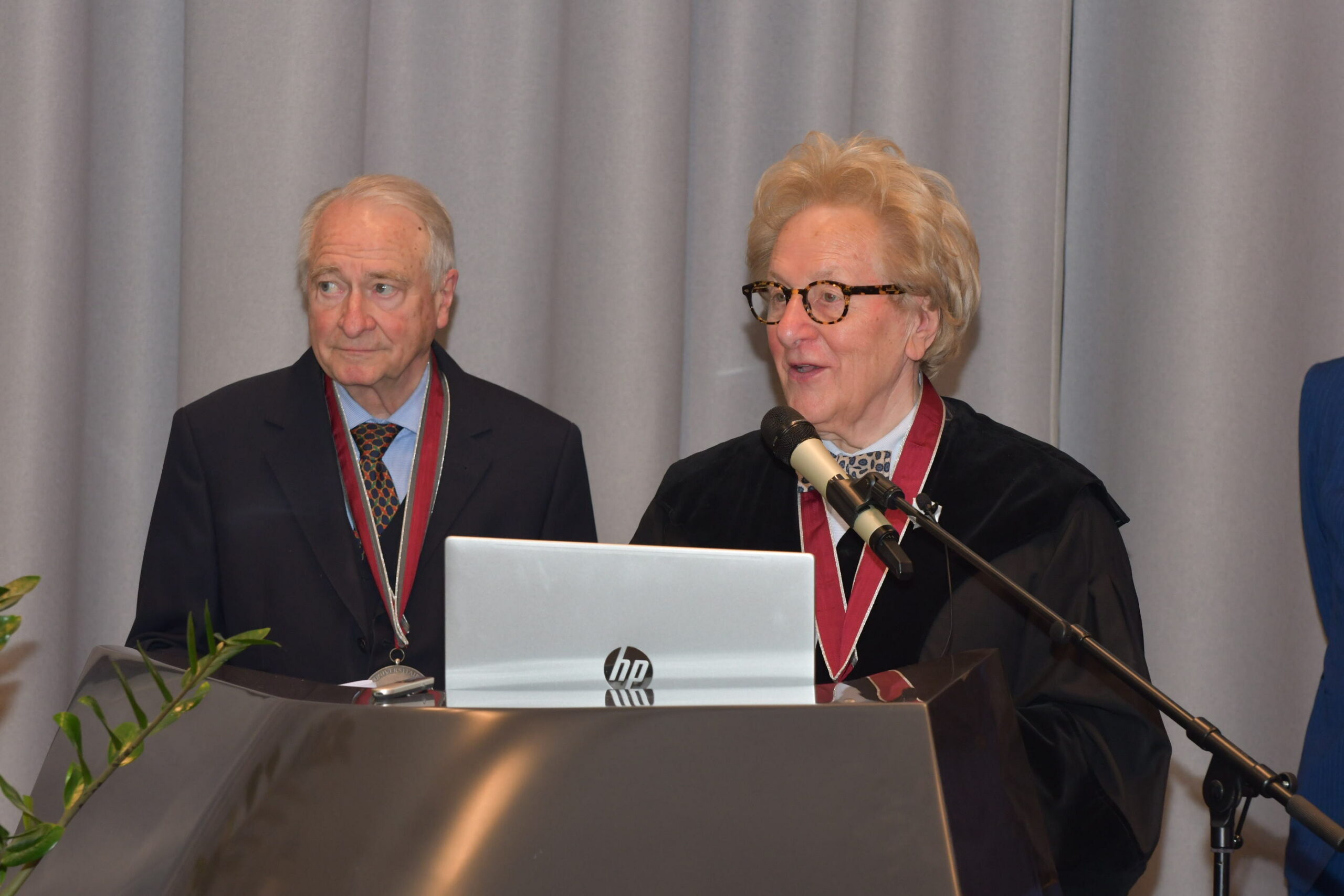
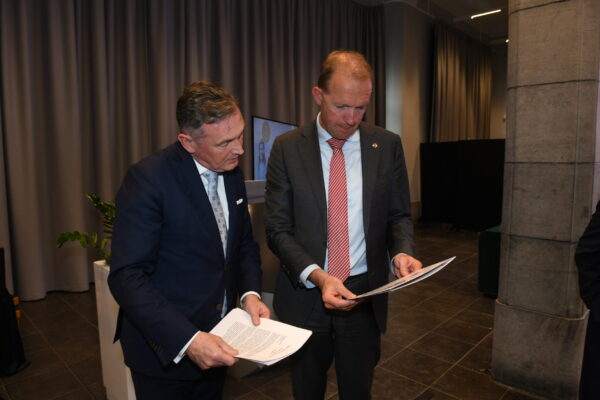
Prince Charles-Louis de Merode/Prof. Anton van der Geld
Minister Annelies Verlinden received the award for her driven commitment and efforts for a more just society, constructive police reforms, the fight against organized crime, and the processes of modernizing the prison system, in which the victim and the citizen are central through her human-centered approach.
Her commitment to a just society and an accessible and efficient legal system in which victims and litigants occupy a central place was recalled. This aligns closely with the mission of the B.U.C., which focuses on the human aspect as a driving force in our society.
In addition, the Benelux Parliament was honoured as a catalyst for cross-border legislation, security, and the internal market. As a “testing ground for the European Union”, it demonstrates daily how 49 parliamentarians from three countries collaborate on concrete solutions. The BeNeLux-Europe-Award reminds us that true strength lies in connection, and where education, culture, humanity, and shared European ideals are of paramount importance. The Benelux Parliament has demonstrated that it can be a source of inspiration and a driving force within the Benelux and Europe, a true ‘testing ground’ for the European Union.

Benelux Europe Award 2026 Ceremony
“THE BENELUX, COOPERATION AND PEACE POLITICS”
by Minister of State Prof. Mark burggraaf Eyskens, Principle Title Holder B.U.C.
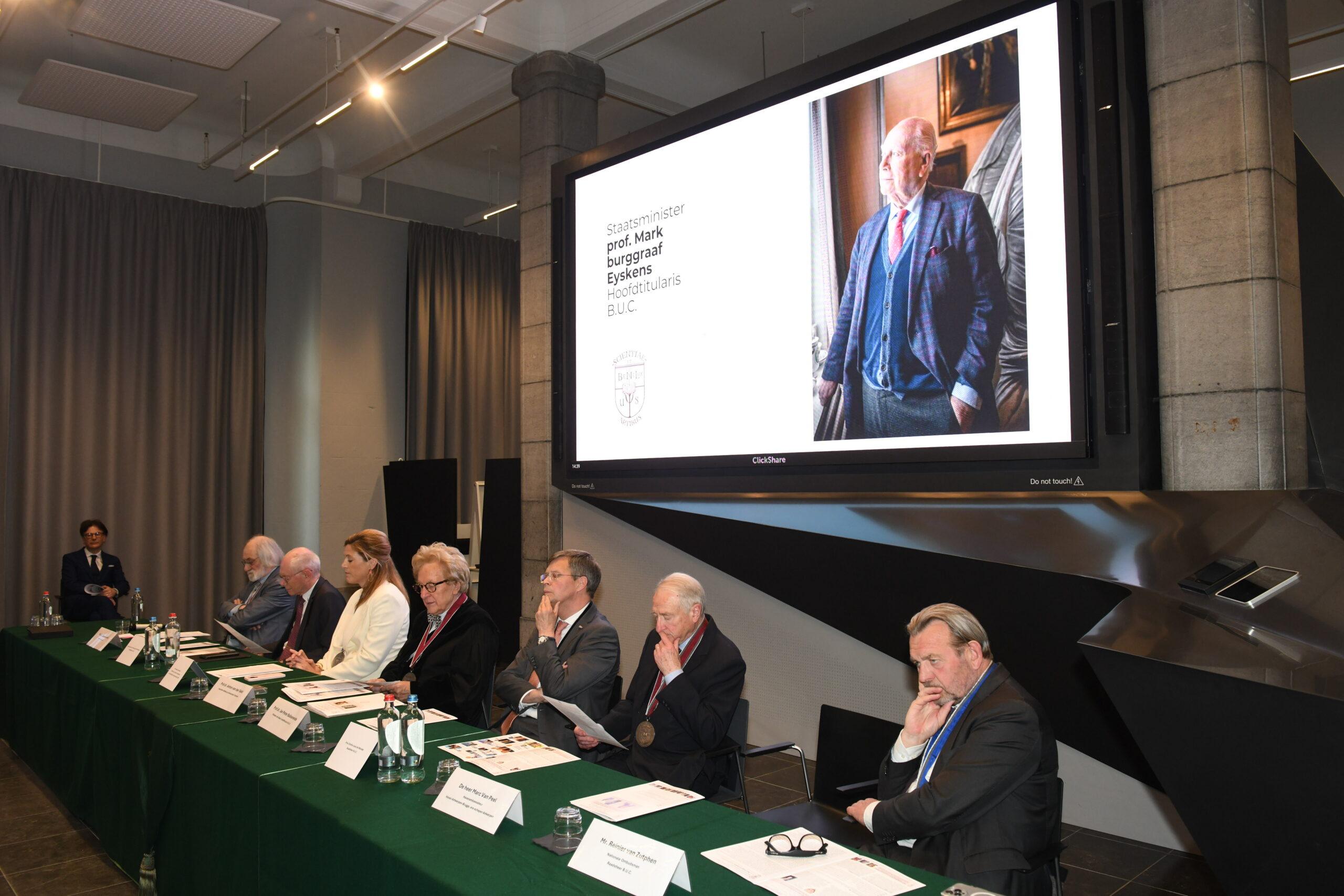
Prof. Mark burggraaf Eyskens,
In his speech, State Minister Mark Eyskens outlines a broad historical and geopolitical vision of the role of the Benelux as a driving force for cooperation, democracy, and peace in Europe. He emphasizes that the Benelux emerged shortly after the Second World War as a response to division and conflict, with the aim of transforming economic cooperation into lasting peace and mutual trust. According to Prof. Eyskens, the Benelux formed an important precursor to European integration, which ultimately resulted in the European Union. He points out that international cooperation has contributed to relative peace, economic growth, and technological progress for decades.
At the same time, he warns of new challenges such as artificial intelligence, geopolitical power struggles, climate change, migration, and pressure on democratic values. Prof. Eyskens advocates an attitude of “responsible optimism” and warns against falling into pessimism or naivety, but instead to actively continue seeking to improve society. A strong moral compass is central to this. According to him, democracy, human rights, international institutions, and peaceful conflict resolution remain fundamental pillars for the future.
Prof. Eyskens strongly defends the enduring importance of the Benelux. Despite the transfer of many powers to the European Union, the Benelux remains, in his view, an essential laboratory for European cooperation. He sees the organization as a think tank and model in the fields of security, justice, migration policy, and
cross-border cooperation.
Finally, he emphasizes that Europe is once again facing threats of war and division. Therefore, peace, dialogue, and democratic values must once again take center stage. The Benelux can play an innovative and inspiring role in the revival of the European project. The Benelux and its bodies, stimulated by the BeNeLux University Centre, must be the levers for the resurrection of a European project with universal appeal.
“THE BENELUX AND GEOPOLITICS”
by State Minister Prof. Jan Peter Balkenende, Principle Title Holder B.U.C.

Prof. Jan Peter Balkenende
In his speech, State Minister Jan Peter Balkenende places the Benelux at the center of a world characterized by increasing geopolitical tensions, economic rivalry, and societal uncertainty. He outlines how the international order of cooperation and globalization of the past decades has gradually given way to a world in which power, technology, and strategic interests take center stage. Prof. Balkenende refers to turning points such as Brexit, “America First”, the coronavirus crisis, the war in Ukraine and the situation in the Middle East as signs of a world that is increasingly under pressure.
According to him, geopolitics and economics are inextricably linked today. The acquisition of technological dominance, access to raw materials, and economic power increasingly determine international relations.
Against this backdrop, prof. Balkenende poses the fundamental question of what place Europe actual still occupies in the world order. He emphasizes that Europe needs a new and inspiring narrative based on cooperation, sustainability, innovation, and prioritizing the public interest.
According to him, European values must not disappear in a world that is increasingly dominated by power politics and economic competition. Within that European narrative, Prof. Balkenende sees a special role reserved for the Benelux.
He regards the Benelux as a unique model of cross-border cooperation and as a diplomatic, economic, and technological hub in Europe. According to him, Brussels, The Hague, Luxembourg, and innovative sectors, for example in the fields of technology and finance, demonstrate that the Benelux is much more than a historical cooperation.
It is a laboratory for European integration and an example of how countries can stand stronger together in times of global uncertainty. In addition, Prof. Balkenende warns against the growing power of large technology companies and economic concentrations of power. He advocates for an “integral ecology,” in which economy, technology, society, and human dignity are reconnected. The core of his argument: not only economic profit, but also responsibility towards future generations must guide policy and international cooperation.
The central message of his speech is clear! In a divided and competitive world, Europe must believe in its ideals again, and the Benelux can serve as an inspiring example of cooperation, stability, and shared values.
“THE ETHICAL CHALLENGES FOR THE BENELUX”
by State Minister Prof. Herman graaf Van Rompuy, Principle Title Holder B.U.C.
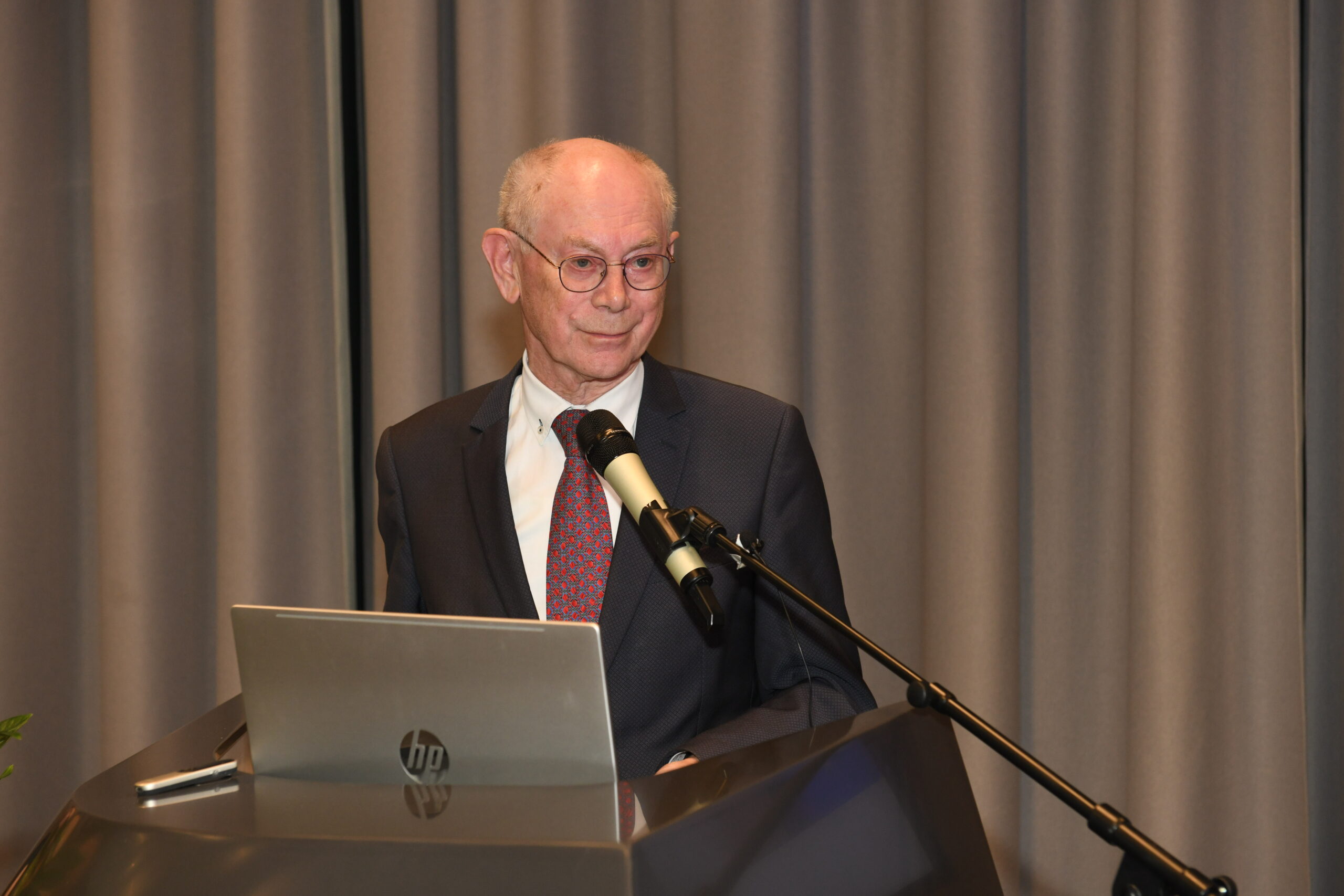
Prof. Herman van Rompuy
In his speech, Minister of State Herman graaf Van Rompuy emphasized the timeless power of ‘Together’ in a world increasingly threatened by individualism and polarization. He reminded us that no single country or individual can stand alone against the major challenges of our time, climate change, migration, and geopolitical threats.
True democracy is not a battle to be right, but a continuous conversation about respectful listening, making concessions, and striking compromises, following Prof. Van Rompuy. He makes a clear existential choice visible.
Ego-centered action leads to emptiness and fragmentation, while Other-oriented behavior leads to happiness, connection, and general well-being. He calls for giving a voice to the silent majority once again and restoring the sense of community in families, schools, at work, and in politics.
The Benelux and Europe have demonstrated for 80 years that cooperation is not a weakness, but the source of our peace and prosperity. “After all, we are in the same boat.” In times when barbarians are at the gates, the most powerful act we can take today is choosing each other. An inspiring call for moral courage, brotherhood, and shared responsibility for the future of the Benelux and Europe.
Minister of State Van Rompuy concludes: “The Benelux idea is more relevant than ever, because the European idea is more relevant than ever. We are in the same boat, in the same storm, with a crew that hopefully cooperates and does not work against each other. A ship that blows with every wind never reaches a safe harbor. That is why it is good to be at the Port House this afternoon!”
“COOPERATION, SAFETY AND VALUES IN THE BENELUX”
by Belgian Minister of Justice and the North Sea Annelies Verlinden
Minister Verlinden began her speech with: “It is a real pleasure for me to be among you today.” And she continues: “Standing before you today is a driven and grateful woman. But above all, someone who is fully aware of the mission that accompanies this recognition of the BeNeLux-Europe-Award 2026.” In her reflective and forward-looking speech, Minister of Justice and the North Sea Annelies Verlinden emphasizes that the Benelux is more relevant today than ever. She views the cooperation between Belgium, the Netherlands, and Luxembourg not merely as a historic project, but as a living model of trust, solidarity, and shared responsibility within Europe.

minister Annelies Verlinden
Starting from the symbolism of the number three, namely Belgium, the Netherlands, and Luxembourg—Verlinden outlines how the Benelux has grown since 1944 into a powerful example of multilateralism and European integration. According to her, the Benelux proves that smaller countries together can create a greater political, economic, and social impact than individually.
The Minister emphasizes that today, the Benelux is not only an economic project but also a project of security and shared values. She points to the need for deeper cooperation in the fields of the economy, combating cross-border crime, migration, and the rule of law. In a world of geopolitical tensions, organized crime, and economic uncertainty, European countries must, according to her, cooperate more stronger than ever.
A significant part of her speech concerns security and justice. Minister Verlinden refers to concrete Benelux initiatives as for example the renewed Benelux police cooperation, which enables police services to act more quickly and efficiently across borders against organized crime. She also views the cooperation between ports, police, and European partners in the fight against drug crime as an example of how the Benelux can play a leading role within Europe.
In addition, she places strong emphasis on the protection of democratic values and the rule of law. According to her, freedom, human rights, inclusion, and respect for fundamental rights must never be taken for granted. She warns that the rule of law remains vulnerable, both within and outside Europe. She calls for it to be actively defended and kept accessible to every citizen.
In her closing message, Minister Verlinden connects the past and the future. The Benelux emerged from crisis and uncertainty during the Second World War. She poses the question of whether cooperation needs to be renewed and strengthened again today.
According to her, the Benelux must grow into a strong example for a safer, more humane, and more resilient Europe. Also a powerful example of multilateralism and European integration. According to her, the Benelux proves that smaller countries together can create a greater political, economic, and social impact than separately. In doing so, she expresses the hope that the Benelux, after the initial foundations of 1944 and the rebirth in 2008, is now heading towards a new golden age!
REFLECTION FROM THE BENELUX PARLIAMENT
by Members of Benelux Parliament Mr. Hendrik-Jan Talsma (nl) and Mr. Karl Vanlouwe (be)
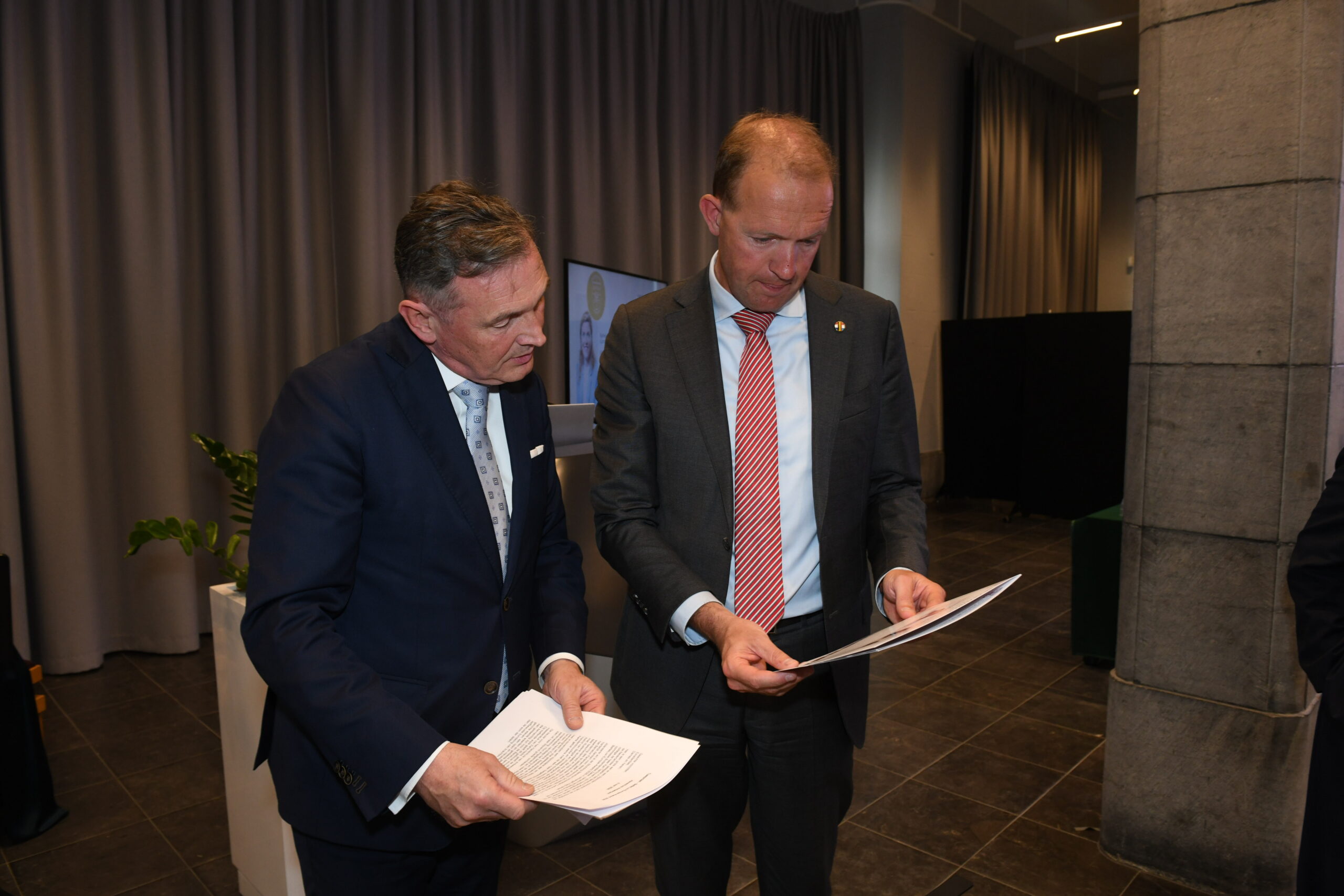
Mr. Hendrik-Jan Talsma (NL) en Mr. Karl Vanlouwe (BE)
In the beautiful Antwerp Port House, the Benelux awoke from its sleep on May 8, 2026, states Parliament member Mr. Talsma. During the solemn presentation of the “BeNeLux-EuropeAward 2026” to the Benelux Parliament, the ‘Sleeping Beauty’ symbolically awoke, according to him. He says this not out of nostalgia, but refers to the Benelux as a powerful and future-oriented laboratory for the entire European Union.
His speech paints an inspiring picture of a Benelux that has risen from its apparent silence. Of a partnership that once remained too much under the radar but is now on its way to becoming a vital testing ground, where groundbreaking forms of integration are being tested in line with Article 350 of the EU Treaty. This long before they are rolled out at the European level.
The strength of the Benelux lies in its synergy and is more than the sum of its parts. With a shared history as a foundation, an open view of the world, and renewed mutual trust, the Benelux demonstrates that small countries can make a big difference together in an uncertain geopolitical world.
According to him, the presence of prominent figures at the B.U.C. meeting underscores the historical and contemporary significance of this moment. “The Benelux has awakened.” Not to look back, but to lead the way. As a beacon of trust, innovation, and cross-border cooperation, exactly what Europe needs so badly today.
Subsequently, in his speech, Patliament member Mr. Karl Vanlouwe outlines a visionary and hopeful future for the Benelux. A region that continues to grow as a laboratory for Europe, not only economically but also in terms of human resources and safety. He advocates for the realization of a “Fifth Freedom,” a seamless connection between innovation, education, the digital economy, energy, and mobility. From offshore wind farms in the North Sea to strengthened cooperation between ports and cross-border infrastructure. The Benelux must become a magnetic ecosystem that attracts investments and offers citizens concrete benefits.
In addition, Mr. Vanlouwe emphasizes the necessity of deeper security cooperation, joint defense capacity, and the effective combating of cross-border crime. The Benelux serves as a testing ground for Europe in this regard, with the citizen at the center. Through automatic recognition of diplomas, protection of cross-border workers, rapid coordination during crises, and lessons learned from the pandemic. Politics must once again become palpable and tangible
for people. The Benelux is ready for a new chapter. Not dusty cooperation, but a dynamic, citizen-oriented, and future-proof union that demonstrates that regional integration really works and does so at the service of
people.
CLOSING OF THE ACADEMIC SESSION
By Prof. Guus Van Heck, Principle Title Holder B.U.C.
The Benelux as a European testing ground: Strategic Agenda and Economic Strength
In the closing remarks of the academic session, Principle Title Holder B.U.C. Prof. Guus van Heck called upon the Benelux to definitively bid farewell to its modest “Calimero role”. With 30 million inhabitants, a GDP ranking 11th worldwide (right behind Brazil and ahead of Russia!), and 4th place within the European Union, the Benelux has the weight and potential to be much more than a small player. His core message is powerful! The Benelux must reposition itself as the European testing ground par excellence, an innovative laboratory where solutions for the future are developed, tested, and presented to the rest of Europe.
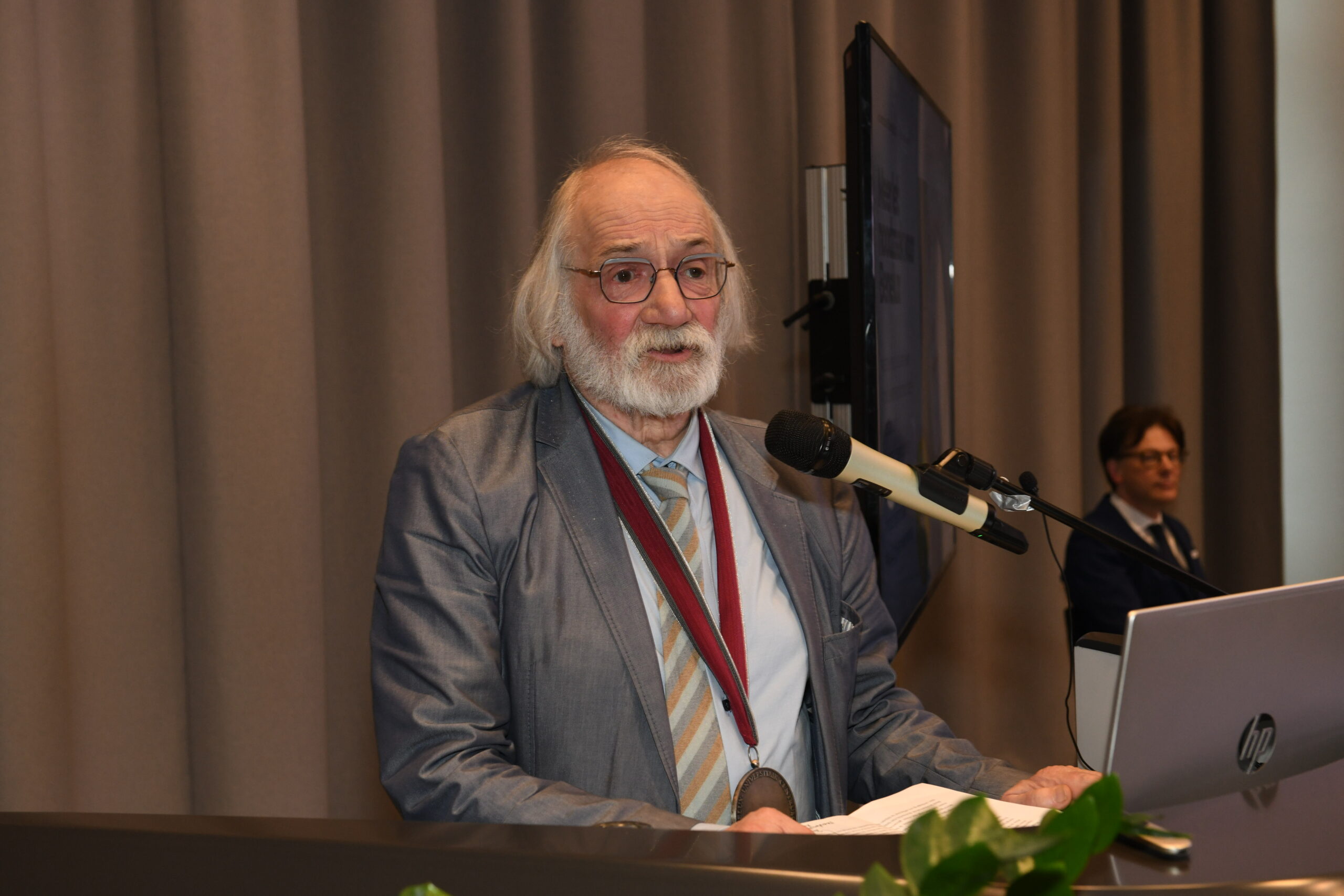
Prof. Guus van Heck
Where strategic priorities are of importance, such as the joint approach to healthcare and the tight labor market. Also with strong attention to the dual transition of climate and Artifical intelligence, social cohesion regarding migration, housing, and infrastructure, and strengthened cooperation in security and justice.
According to Prof. Van Heck, the Benelux has a unique opportunity to lead Europe in successfully implementing the major transitions of our time. According to him, the time for modesty is over. The Benelux stands ready with creative and constructive impuls to lead a stronger, more innovative, and safer Europe with self-confidence, decisiveness, and vision. Together, the Benelux countries are not small; together, they are an economic and strategic superpower. Therefore, according to him, the Benelux should show a bit more boldness and exert more political influence at the European level.
A MEETING WITH VISION, WISDOM, CONNECTEDNESS, AND OPTIMISM
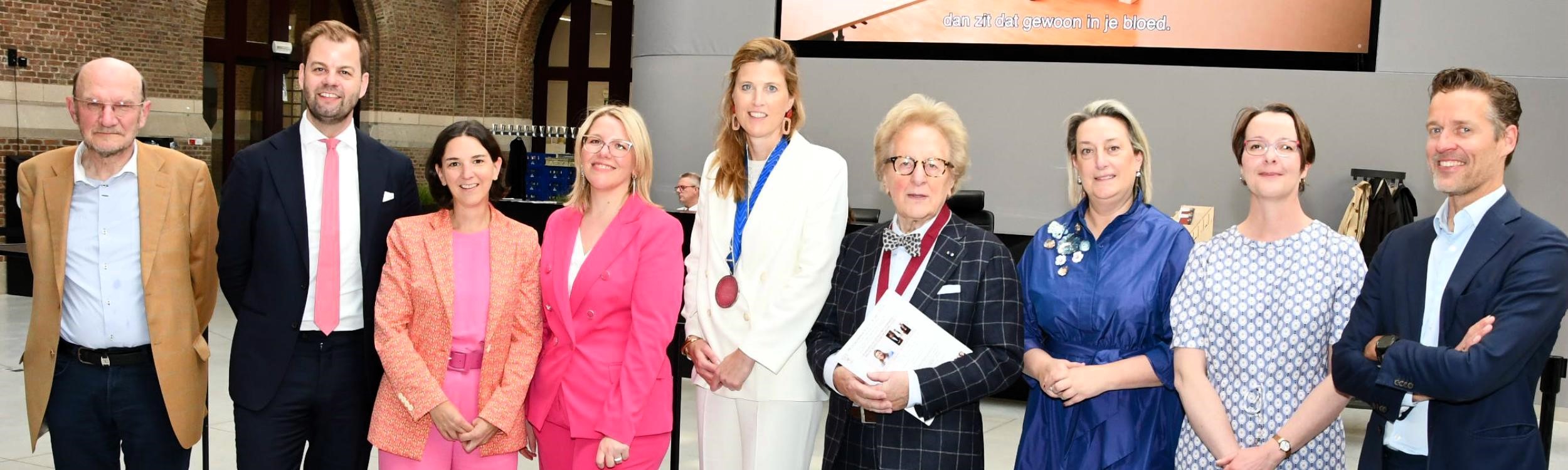
Thanks to the solemn laudation and inspiring speeches by B.U.C. Chairman Prof. Anton van der Geld, Port Ambassador Mark van Peel, Prince Charles-Louis de Merode, Minister of State Prof. Mark burggraaf Eyskens, former Prime Minister Prof. Jan Peter Balkenende, Minister of State Prof. Herman graaf Van Rompuy, Belgian Minister Annelies Verlinden, Member of Parliament Mr. Hendrik-Jan Talsma, Member of Parliament Karl Vanlouwe, and B.U.C.
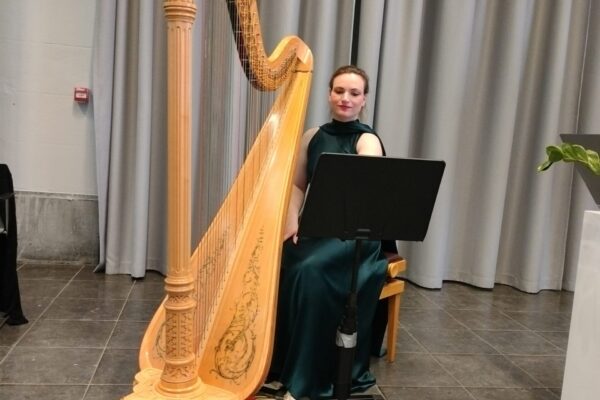
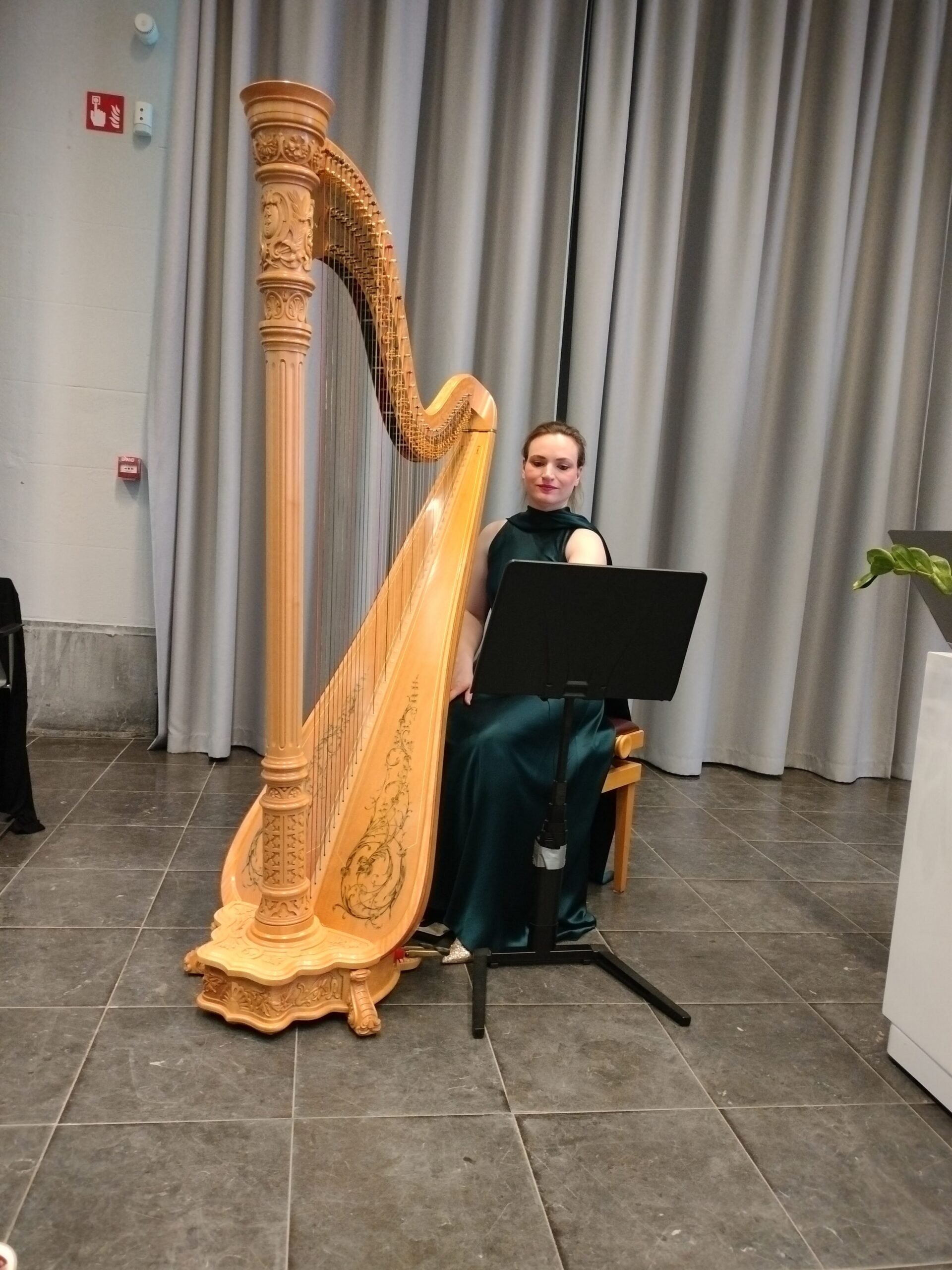
Prof. Guus van Heck, it became an afternoon full of vision, wisdom, connectedness, and optimism. Thanks to the presence of speakers of exceptional caliber, a warm reception, and atmospheric musical interludes by harpist Emilie Bastens, the event not only reflected on the rich history of the Benelux but, above all, looked forward to a future of stronger cooperation, closer friendship, and greater joint impact.
This special gathering confirmed more than ever that, “The Benelux is not a relic of the past, but a dynamic and indispensable engine for a stronger Europe”, a lasting source of inspiration, cooperation, and hope.

Jean Aznar